
Solihull faces huge surge in over 85s driving urgent demand for care accommodation
By Sam Greenway - Local Democracy Reporter 9th Nov 2026
Councillors have heard efforts are being made to ensure Solihull has enough retirement accommodation to cope with its ageing population.
The topic is quickly gaining attention as the borough has an older age profile than the West Midlands and England averages.
Councillors discussed the issue at the latest meeting of the economic development, managed growth and skills scrutiny board.
A report to the board said: "Solihull has an ageing population, with particularly strong growth projected amongst residents aged 75 and over.
"The evidence demonstrates the need for a range of housing options, from accessible mainstream housing and support to remain at home through to retirement housing, extra care and residential and nursing care."
As assessment carried out by the council showed:
- The population aged 65 or over is projected to rise from 48,219 to 58,010, an increase of 9,791 people or 20.3 percent.
- The population aged 75 or over is projected to increase by 7,129 people, or 27.5 percent, reaching 33,049 by 2043.
- The population aged 85 or over is projected to grow by 3,813 people, or 52.5 percent, from 7,269 to 11,082.
This assessment led to the conclusion that by 2043 housing with support has a projected need of an additional 712 units, including 435 market units and 278 affordable units.
And by that date housing with care has a projected need of 376 units.
Download our Nub News App!
- It’s FREE and available now- Breaking news notifications
- Your Town in Your Pocket


Officer Mark Collyer said that since Covid the number of accommodation units being provided in Solihull had fallen "quite significantly" – but highlighted throughout the debate the draft local plan, currently out for public consultation, aims to help ensure the borough is "futureproof" to provide the accommodation that will be needed.
Cllr Max McLoughlin said: "Part of what I don't see (in the report) is the localised component.
"It's making sure the provision is where the need is, and it's the right provision.
"If you have so much of a concentration of provision in a specific area it puts additional pressure on both infrastructure, but it also creates a separate problem, where do people who work in that sector come from?
"It creates such a demand the local employment market can't satisfy – people are having to travel further in to provide care."
The officer replied: "What we are doing within the plan is saying all developments of 300 dwellings or more must provide specialist housing.
"Things will change over the next 15 years. That's hopefully going to allow us to provide these older persons accommodations more across the borough.
"We do have to be mindful about what we can do in the north of the borough as well."
Cllr Kathyrn Thomas said there was a "perception very much at the moment" that there was too much retirement accommodation, but having read the report she could see there was a need for more.
"In the short term we have got too much, but long term it's almost like we need to mothball some care homes for five or 10 years then bring them back to service when we have more demand for them," the councillor said.
"Are we at risk of losing any of those homes?
"There is a little bit of concern about them being financially viable."
The officer replied that conversions were held regularly with housing providers adding he would check this had been considered.
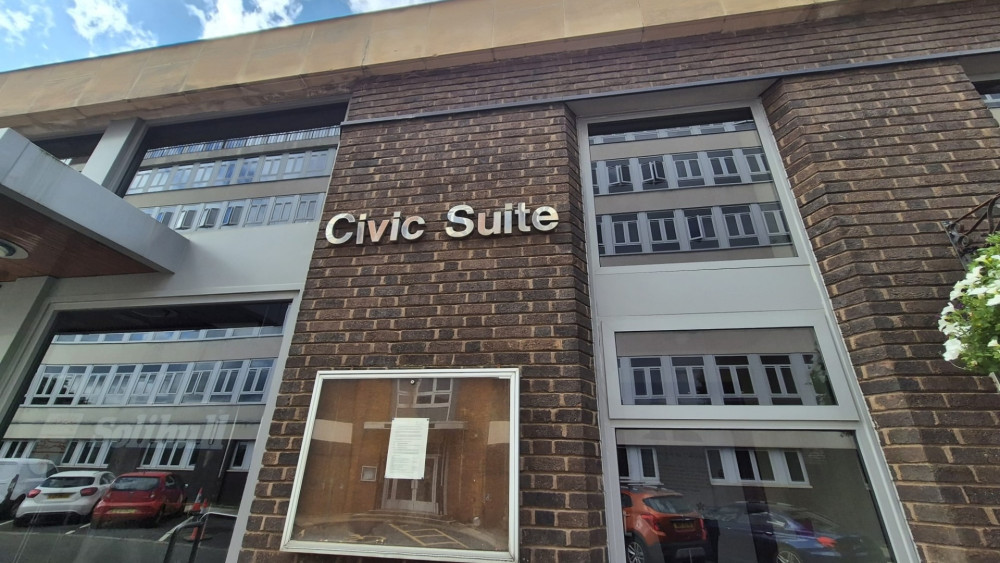
The meeting was held at the Civic Suite on November 3.
Download our Nub News App:
- It’s FREE and available now
- Breaking news notifications
- Your Town in Your Pocket
Share: